Do I Qualify for Medicare Home Health Services?
Medicare home health services are designed for eligible individuals who need intermittent skilled care and meet specific coverage requirements.
Homebound Status
You generally must have difficulty leaving home due to illness or injury. Leaving home may require assistance from another person, supportive equipment, or considerable and taxing effort.
Being homebound does not mean you can never leave home—medical appointments and certain short absences may be permitted.
Need for Skilled Care
You must require a qualifying skilled service, such as intermittent skilled nursing, physical therapy, speech-language pathology, or qualifying continued occupational therapy.
Your clinician will help determine which services are medically necessary.
Healthcare Provider Oversight
You must be under the care of a physician or other Medicare-allowed practitioner who establishes and reviews your plan of care.
This helps ensure your home health services are coordinated with your overall treatment.
Plan of Care & Coverage
Services must be ordered as part of a plan of care and provided through a Medicare-certified home health agency.
Coverage decisions can vary—our team can help you understand next steps and documentation.
This is a general overview. Medicare rules and individual coverage decisions may vary. Contact us if you have questions.
How to Start Home Health Care
We’ll guide you step-by-step—from referral to your first visit.
1) Get a referral or order
Your physician, hospital discharge planner, or other provider can help start the referral process.
2) Quick intake & verification
We’ll confirm key information and coordinate the details needed to begin care.
3) In-home evaluation
A clinician visits you at home to assess needs, goals, and safety—and to help build your care plan with your provider.
4) Start-of-care visits
Based on the plan of care, your care team begins scheduled visits and tracks progress toward your goals.
What to Expect During Home Health Visits
Knowing what happens during visits can help you feel more comfortable and prepared.
Your first visit may include
- Review of your health history and current concerns
- Medication review (bring your medication list or bottles)
- Vital signs and safety check of your home environment
- Discussion of goals and the plan of care
- Education for you and your caregiver on symptoms and self-care
Ongoing visits may focus on
- Skilled nursing care and monitoring when ordered
- Therapy exercises and mobility training when ordered
- Wound or condition management education
- Progress updates and coordination with your provider
- Planning for a safe transition when goals are met
Prepare for your visit
Have your discharge paperwork (if any), a medication list, and questions ready. If possible, invite a family member or caregiver to join the visit.
Patient Resources
Simple guides and checklists for patients and caregivers.
Medicare Basics
Learn the key terms and common requirements for Medicare-covered home health care.

Visit Preparation Checklist
What to have ready for your first visit (paperwork, medications, questions, and safety notes).

Medication Safety
Tips to keep medications organized and reduce the risk of missed or duplicated doses.

Home Safety & Fall Prevention
Small home changes can make a big difference in safety—especially after illness or hospitalization.

After a Hospital Stay
Common questions to ask after discharge, and how home health can support recovery at home.

Caregiver Support
Ways caregivers can stay organized, reduce stress, and participate confidently in the care plan.

Need a printable checklist? Contact us and we’ll be happy to help.
Patient Rights & Responsibilities
We want you to feel respected, informed, and involved throughout your care.
Your rights include
- To be treated with respect, dignity, and compassion
- To participate in decisions about your care and goals
- To receive clear information about services, visit schedules, and care plans
- To privacy and confidentiality of your health information
- To ask questions, voice concerns, and request help resolving issues
Your responsibilities include
- Sharing accurate health information and medication changes
- Following agreed-upon care instructions as able
- Providing a safe home environment for visits
- Letting us know if you cannot make a scheduled visit
- Asking questions if something is unclear
You’ll receive detailed rights and responsibilities information at the start of services. If you’d like a copy ahead of time, please contact us.
Care that comes to you
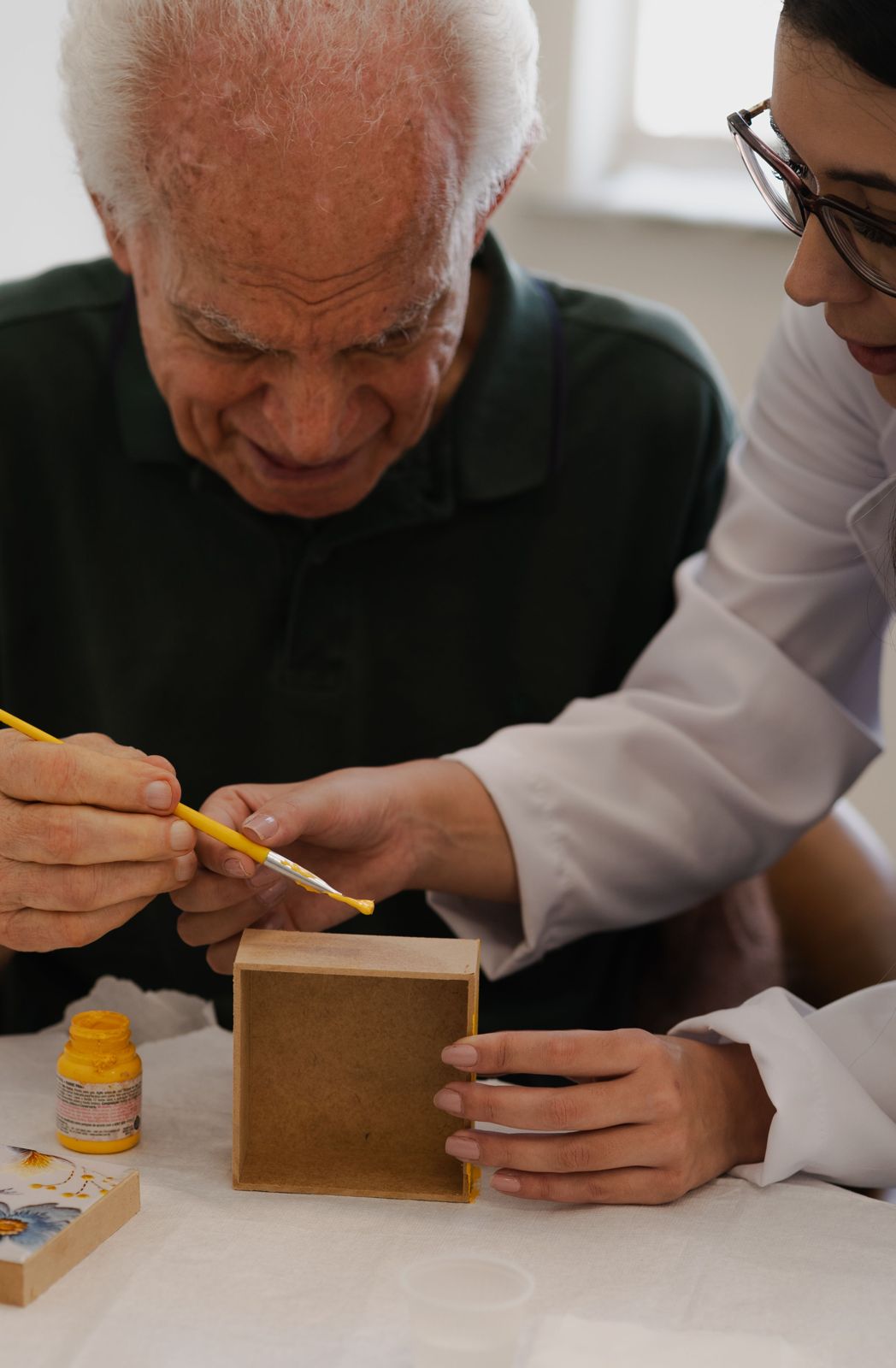
Compassionate, clinician-led care—delivered in the comfort of your home.
From your first call to ongoing visits, we focus on clear communication, safety, and practical education so you and your family feel confident at every step.
A quick checklist for patients & caregivers
- Have your medication list or bottles ready
- Keep discharge paperwork (if any) in one place
- Write down questions, symptoms, and concerns
- Make sure walkways are clear to reduce fall risk
- Invite a caregiver to join the visit if possible
Get Started
Learn how referrals work and what happens from intake to your first in-home visit.
Learning Resources
Browse patient-friendly checklists and guidance for preparing for visits and staying safe at home.
FAQs
Quick answers to common questions about receiving home health care and what to expect.
Contact Us
Need help now? Send us a message and our team will guide you through next steps.
Frequently Asked Questions
Quick answers for patients and caregivers.
How long does home health last?
Home health services are based on medical need and your provider’s plan of care. Your care team will regularly review progress and adjust visits as appropriate.
Do I need a doctor’s order?
In many cases, yes. We can help coordinate with your physician or discharge planner to support the referral process.
What should I have ready for the first visit?
Any discharge paperwork (if applicable), a medication list or bottles, contact information for your providers, and your questions or concerns.
Can a family member be present during visits?
Yes. Caregivers are welcome and often helpful—especially for learning care instructions and asking questions.
What if I feel worse between visits?
Call your physician for guidance. If symptoms feel urgent or life-threatening, call 911.
How do I reach your team?
Use our contact form and we’ll respond as soon as possible.
Need help getting started?
Tell us what you’re looking for and we’ll guide you through the next steps.